SAGetaways
In 2018, Naledi Molefe and Pieter Botha, two travel addicts by their own accounts, wanted to create something to “encapsulate and encourage people to experience the wild and insanely beautiful” nature of South Africa.
They launched SAGetaways. A platform to review and promote hidden gems within South Africa. For the first year and a half, it started off as a small project – a big idea, of course, but still small.
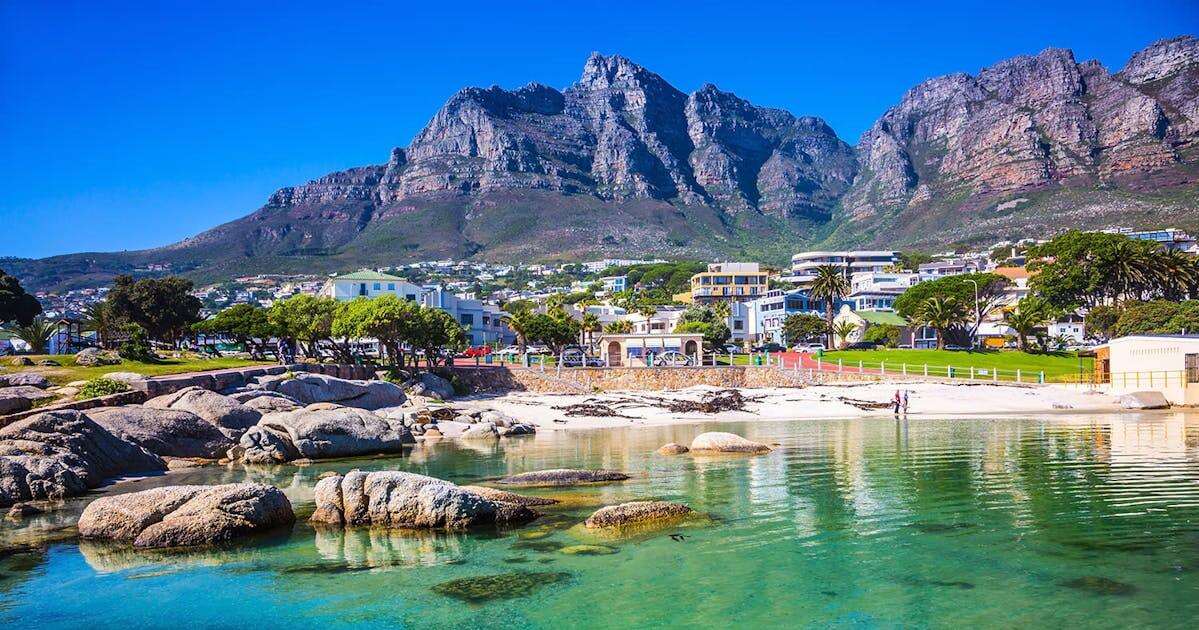
Yet the magic of the Internet happened and SAGetaways became a destination to help South Africans and others daydream about spontaneously booking a flight (or train to Hluhluwe) to any one of SA’s 32 destinations, complete with “plug-and-play” itineraries, deviously smart packing hacks, and a collection of some of the country’s “best, most loved travel experiences”. Experiences like basking in sunrise safaris in Kruger or those wine-soaked afternoons spent ambling through the vineyards of the Cape Winelands. The type of SA travel you’re shamelessly and “accidentally” talk about to friends.
Simple in vision and direction, SAGetaways wanted to create a space that did two things: uncover South Africa’s natural beauty, diverse cultures, and off-the-beaten-path gems, and make it as easy as possible for anyone to curate the SA getaway of their dreams. No hard sell. No tiresome, travel-agency nonsense. Just easy-to-use, useful guides.
And it worked. By 2024, SAGetaways had completed 32 destination reviews with approximately 180 guides published. All written in a uniquely conversational style that reads more like a friend whispering secret insider info, rather than the typical experience-churner slapping down a bland “Top 10 Activities” listicle.
Tourism was on a rebound after COVID-19 lockdowns. Domestic tourism numbers across the country were up significantly in 2023 and 2024, with South African consumers keen to get moving again after so many months of restrictions. In 2024 alone, Tourism to South Africa contributed R628 billion to the country’s GDP.
SAGetaways wanted in – for the long-haul – not just on the periphery. So they came to EcoSEO. Fast-forward through rapid and progressive momentum-building and the results were resoundingly loud: a 300% increase in organic traffic in a matter of months and a clear, consistent upward trajectory towards establishing SAGetaways as a leading voice in SA’s travel and leisure sectors.
Lead Time: 10 months
Sector: Travel and Tourism
Target Type: B2C (Business-to-Consumer)
Demographic: Local and international travelers interested in South African adventures, including safari enthusiasts, budget travelers, and cultural explorers
Website Goal: To inspire and guide unforgettable travel experiences in South Africa by providing destination guides, itinerary planners, packing tips, and curated experiences, establishing SAGetaways as a leading travel platform
Services: Long-tail keyword targeting, Schema markup implementation, Backlink Acquisition, SEO-friendly URL optimization, Image SEO and visual content optimization


4X
Organic Traffic in 10 Months

The Challenge
SAGetaways was approaching their 6th birthday with a small community of people who enjoyed their content and were always coming back to SAGetaways for inspiration.
They had so many fantastic detailed guides for the most remote and iconic destinations in South Africa.
The website traffic numbers weren’t looking so great though, according to Semrush they had just over 2,000 visits a month.
Now we know these numbers could be better but considering the hundreds of hours spent on those unique travel guides we had to think SAGetaways deserved more travelers passing through with those high-intent longtail keywords.
You would search for something like “South Africa travel itinerary” or “best safari destinations” and SAGetaways was nowhere to be found. It almost felt like their best content was just being buried in an internet library in the dark waiting for visitors.
A couple of issues kept resurfacing, nothing too crazy but it was enough to prevent them from growing:
- The website was simply not ranking on these high-intent travel keywords. Huge.
- They were not using some basic ranking signals like schema markup that give a website a sense of liveliness to their Google listing.
- Website authority was being affected by a weak backlink profile. Competition in the travel space was fierce.
- The technical elements were not optimized, long URLs, heavy image sizes and a fairly clunky website structure for visitors and crawlers alike.
In March 2024 Naledi and Pieter had reached out to us at EcoSEO with a simple message, could we help SAGetaways rise to be the travel expert for South Africa? Not just another generic travel blog in the search result pages.


SEO Strategy Revealed: How We Optimized SAGetaways
We created an SEO strategy that was specific to SAGetaways, not a cookie-cutter “SEO checklist” you find on the web. First, we analyzed the competition. Believe it or not, we spent a lot of time in the early days manually sifting through other South African travel blogs, as well as a handful of the big international tourism websites to simply understand what they were covering, and what SAGetaways was not.
Targeting Long-Tail Keywords for Niche Intents
Utilizing Semrush’s Keyword Magic Tool, we scoured for long-tail keywords (typically longer, highly specific searches that tend to indicate a user already has a good idea of the type of trip they’re looking for) such as “3-day Kruger safari itinerary” or “budget Cape Town weekend getaway.”
Little did we know that this tiny search volume would add up.
We grew the SAGetaways library from 120 to nearly 600 pages. Not “quickie” copy-paste pages, but bona fide, in-depth guides that satisfied very specific user intents. Some of these were even written as if they were mini-conversations with the target audience, and we know they’re getting saved in browsers.
Enhancing Search Listings with Schema Markup
We then went deep on the list of ranking gaps that Semrush spat out at us, and lo and behold, they weren’t using much schema markup. So we started adding it, for locations, travel agencies, and all existing blog articles via Google’s Structured Data Markup Helper.
You might ask: What does this do in the real world? Rich snippets, for one. Those star ratings, itineraries, and small nuggets of information that help your listing stand out when a user is scrolling through Google search results.
Google Search Console began reporting roughly 2,500 keywords that were triggering these rich results (previously called rich snippets) and clicks increased by around 20% (can you believe a small snippet of extra information could increase click-through rate by that much?!). It’s little things like this that add up.
Establishing Authority with Quality Backlinks
Backlinks are one of those SEO tactics that some marketers like to pooh-pooh, but they are (simply put) one of Google’s ways of checking who’s who in the online neighborhood. Is SAGetaways being talked about by other reputable travel websites? Are they linking to us? We used Ahrefs’ Link Intersect Tool to see what sites were linking to SAGetaways’ competitors. Spoiler alert: We discovered a number of local tourism boards, popular travel blogs, and safari operators were linking out to similar sites.
We worked on those same backlinks and ended up with 15 quality backlinks that were built as partnerships and/or guest posts. Not spammy, not “scheme-y” but legitimate, high-quality placements on websites that already had a strong authority signal. They key here, as far as we were concerned, was the right kind of credibility begets itself.


SEO-Friendly URLs & Image SEO Optimisation
Optimising URLs for SEO & UX
Problematically obscured URLs have always had an interesting effect on me. They’re like being on a hiking trail with half the signs pointing in the wrong direction.
You eventually make it to your destination, but it’s not much fun, is it? We got that same feedback from Semrush’s Site Audit — a long list of unnecessarily convoluted and parameter-laden URLs that were making Google’s crawlers scratch their heads.
The solution was fairly simple (after the initial clean-up, of course). Sharper, more concise paths, fewer random parameters and genuine keywords that reflected the content on the page. Nothing fancy. Just more human-readable URLs that we and Google could understand. And, ironically enough, Google responded to it.
A month or so later, our Search Console data was reporting crawl efficiency had improved by about 12%. Not a massive change, but our human visitors (and bots) were experiencing far less friction.
Accelerating Visual Discovery Through Image SEO
Content in travel is going to have a massive reliance on strong visuals, and UrbanNest was actually leaving a lot of its image-based traffic on the table. This was brought up repeatedly by Ahrefs’ feedback in Google Image search. It was like an almost passive-aggressive way of saying, “Hey, you’re not even playing in this arena.”
So we ran a proper audit. Alt texts that actually meant something (but, again, included the appropriate keywords — no stuffing). Image compression using TinyPNG so pages didn’t load like they were on dial-up. Then we submitted the newly curated image sitemap to Google Search Console.
The change was quick. Image-driven traffic went from just 2% of all visits to about 10%. It was a noticeable change, and the most accurate way of putting it was that the images were actually doing their job. They were pulling users to the site instead of just garnishing it.


The Results
At the time of writing, it has been just over ten months since EcoSEO began working with SAGetaways, and the growth in their site is starting to reach somewhat exponential levels.
No magic overnight, but growth that you can feel if you compare the “now” with the “before.”
- Organic Traffic: Grew from 2K to 8K. A 300% increase that we weren’t quite expecting to be honest, so triple-checked the graph the first time it spiked.
- Keyword Rankings: 5.6K in total, 400 in the top 3 (it still sounds so bizarre to say that out loud).
- Rich Snippets: ~2.5K keywords now triggering schema, which always looks so small on a spreadsheet but makes such a huge visual impact on SERPs.
- Backlinks: Domain Authority increased from 22 to 30, thanks in part to 15 quality backlinks (those that you don’t have to apologise for).
- Engagement: Google Analytics showed a bounce rate decrease of 18%. Users were staying on the site longer, perhaps because the pages were now actually “human readable”.
- Image Search: 10% of total traffic now coming from Google Image Search, a quiet jump from the previous 2%.
- Top Performing Content: “Ultimate Kruger Safari Itinerary” guide now has ~1.2K visits a month, primarily because the images and content were now working for them, and not against.
- Social Channels: 3.5K on Instagram, 5.2K on Facebook, 2.1K on X.com – nothing viral or off the charts, but enough that one can feel the brand become more “recognisable.”
If I had to sum up the strategy in a few words, I think I would describe it as “know your tools,” and “know what your audience is actually searching for.” Semrush, Ahrefs, Google Search Console, the usual mix, which allowed us to hone in on those strangely specific queries which people search when booking a South African getaway.
From there, it became a mix of schema for SERP visibility, quality backlinks for trust, cleaner URLs, optimized images… basically opening as many doors as possible so that SAGetaways could reach the travellers who were actively trying to find them.
Technical Tools:
Semrush, Ahrefs, Google Search Console, Google’s Structured Data Markup Helper, TinyPNG, Google Analytics

SEO Services
Long-tail keyword targeting, Schema markup implementation, Backlink Acquisition, SEO-friendly URL optimization, Image SEO and visual content optimization
What Our Clients Say
Here’s why clients enjoy partnering with us